



.jpg)

.jpg)



Why Sedentary Time Slows Your Gut
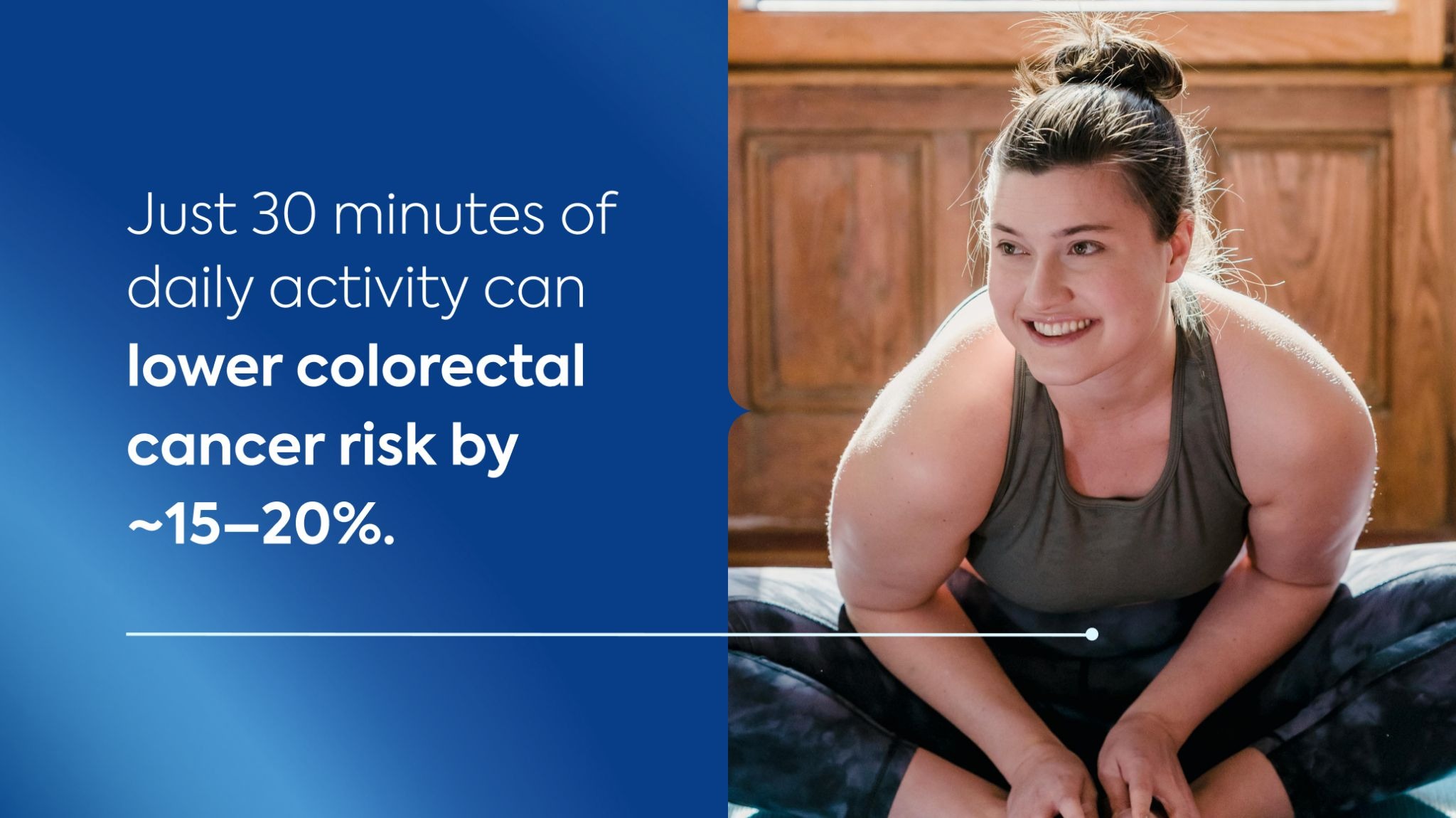
When the body remains inactive for long periods, blood flow decreases, abdominal muscles relax, and colon contractions slow down [4]. Over time, this can contribute to constipation, gas, bloating, and increased inflammation in the digestive tract.
Modern lifestyles, especially desk jobs, make this pattern common, which is why more people are integrating micro-movements, posture breaks, and lunchtime walks into their daily routine.
Pairing Daily Movement With At-Home Screening
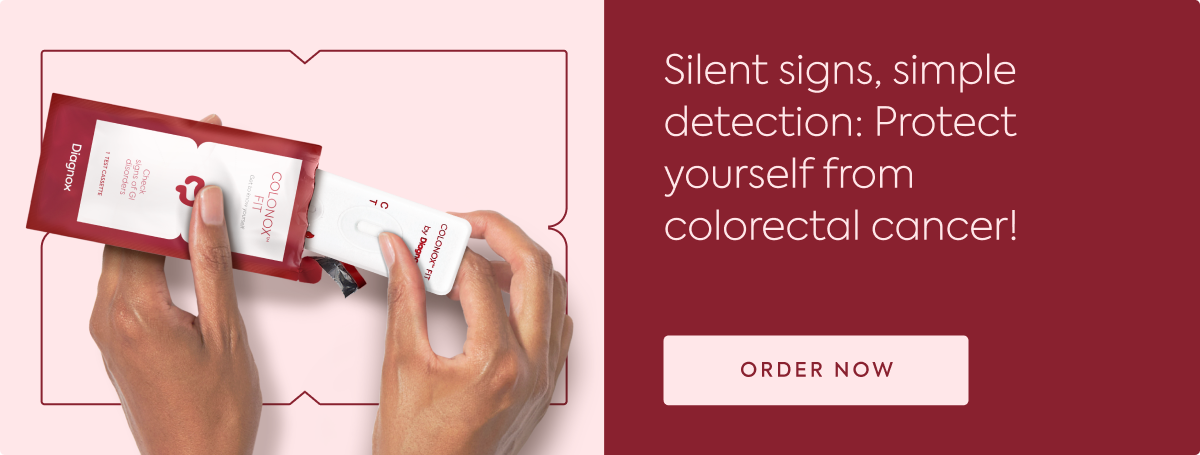
Daily habits support gut health, but early detection is still essential. The Colonox FIT Test makes screening accessible at home, without appointments or labs. This test detects microscopic blood in stool, which is a common early warning sign of colorectal issues—even when no visible symptoms are present.
Simple Steps to Support Better Colon Health
Here are evidence-supported habits that work together with your daily 30-minute activity:
• add more fiber through fruits, vegetables, and whole grains
• stay hydrated (use the Diagnox Hydration Test to track your levels)
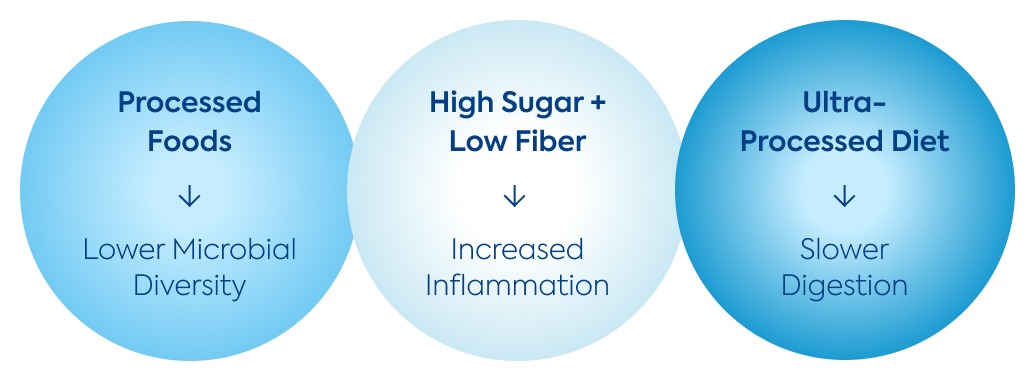
• reduce processed foods
• take short movement breaks throughout the day
• support gut health with balanced nutrition
• screen early with a FIT test
• pay attention to subtle digestive changes
Even small shifts create meaningful improvements in regularity, comfort, and long-term wellness.
Disclaimer
This article is for educational purposes only and should not be used to diagnose or treat medical conditions. If you experience persistent digestive symptoms, talk with a qualified healthcare provider.
