




.jpg)




.jpg)
Understanding Risk Without Fear
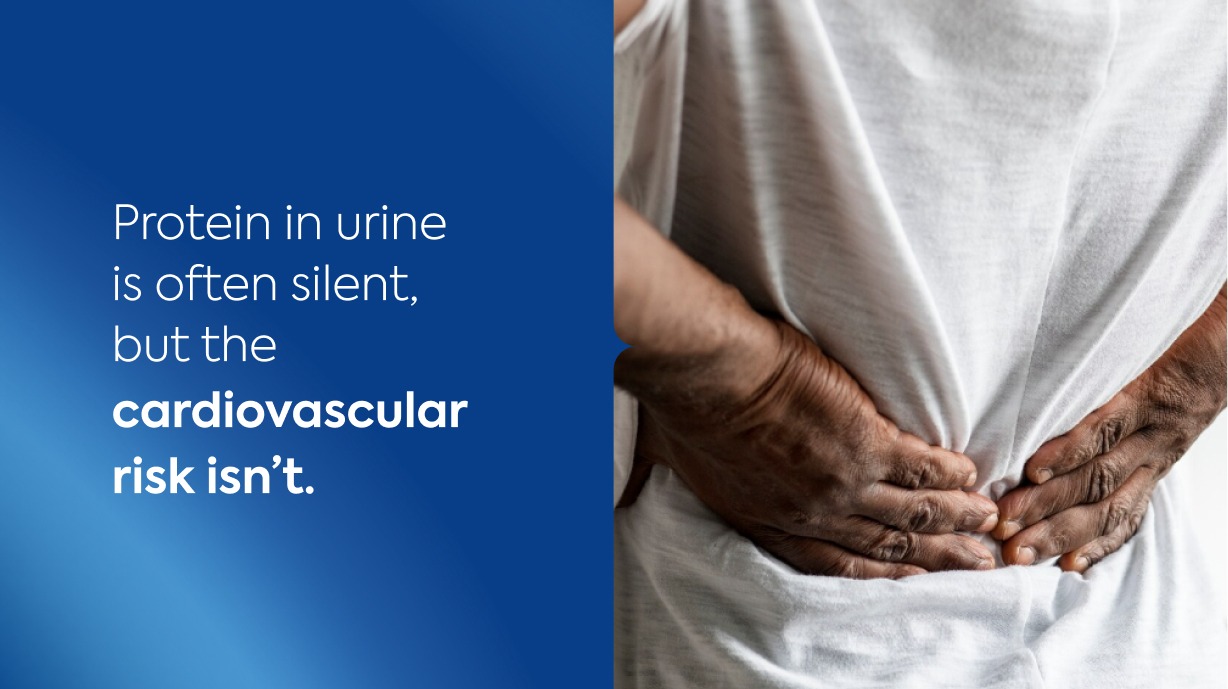
Testing positive for protein doesn’t mean you have heart disease. It means your body is sending a signal worth paying attention to.
Checking your protein levels routinely can help you:
• track changes over time
• understand possible triggers
• support early conversations with a healthcare provider
• make informed choices about hydration, nutrition, and lifestyle
Small changes can make meaningful differences in how your kidneys and heart function over time.
How to Support Healthy Kidneys and Heart Function
You can take everyday steps that support both systems:
• stay hydrated
• reduce high-sodium foods
• include antioxidant-rich meals
• limit processed foods
• support healthy blood pressure
• monitor protein levels at home
• rest and recover after intense exercise
• manage stress where possible
These habits help reduce strain on your kidneys and cardiovascular system.
Who Should Consider At-Home Protein Testing
You may benefit from checking your protein levels if you:
• experience swelling after exercise
• have a family history of kidney or heart conditions
• recently increased training intensity
• consume a high-sodium diet
• have high blood pressure or prehypertension
• want early insight into kidney and heart wellness
• feel unexplained fatigue
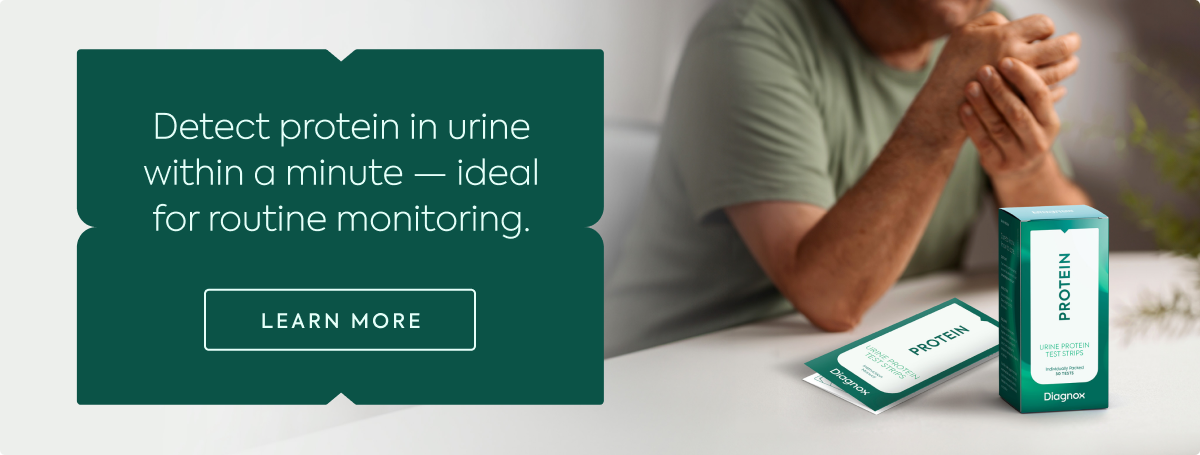
The Diagnox Protein Urine Test is designed to help you check for protein in urine in under 60 seconds. It uses a hospital-grade colorimetric method to detect even mild elevations.
Conclusion
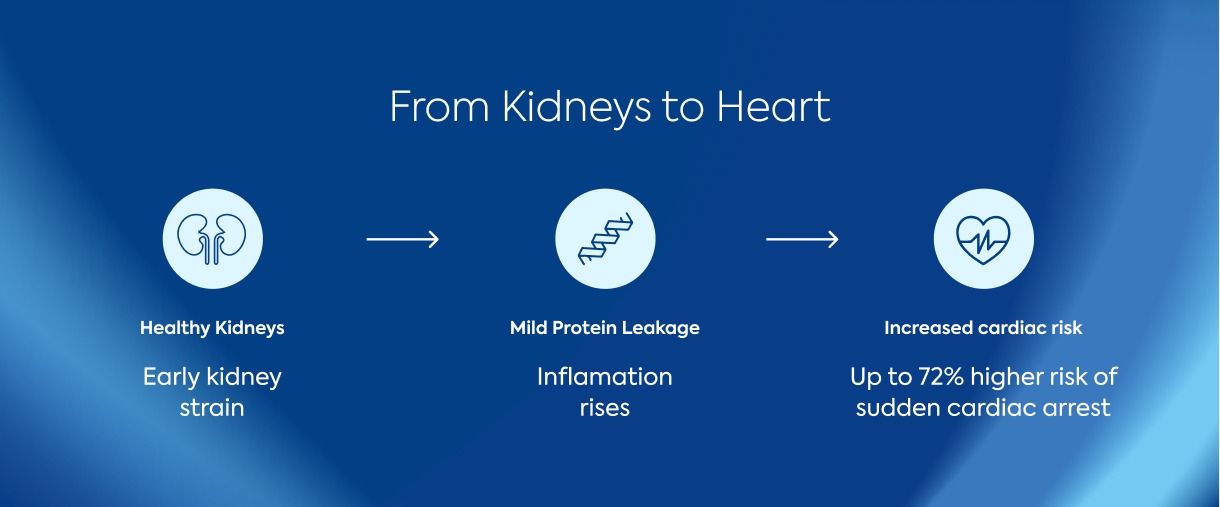
Protein in urine is more than a kidney marker. It can be an early clue that your cardiovascular system is under strain. Research shows that even mild levels are linked with an increased risk of sudden cardiac arrest in the young population [1]. At-home testing gives you the chance to understand what’s happening inside your body, track changes, and make informed choices about your wellness.
Disclaimer
This article is for educational purposes only and is not intended to diagnose or treat medical conditions. If you consistently test positive for protein in your urine or have concerns about kidney or heart health, consult a qualified healthcare provider.
