



What Scientists Found Inside Stressed Cells: The Role of Cell Density in Your Health

H. Ali, PhD
H. Ali, PhD
November 27, 2025
5
min read
Technically reviewed by: 
Diagnox Staff
What Scientists Found Inside Stressed Cells: The Role of Cell Density in Your Health
Listen to this article

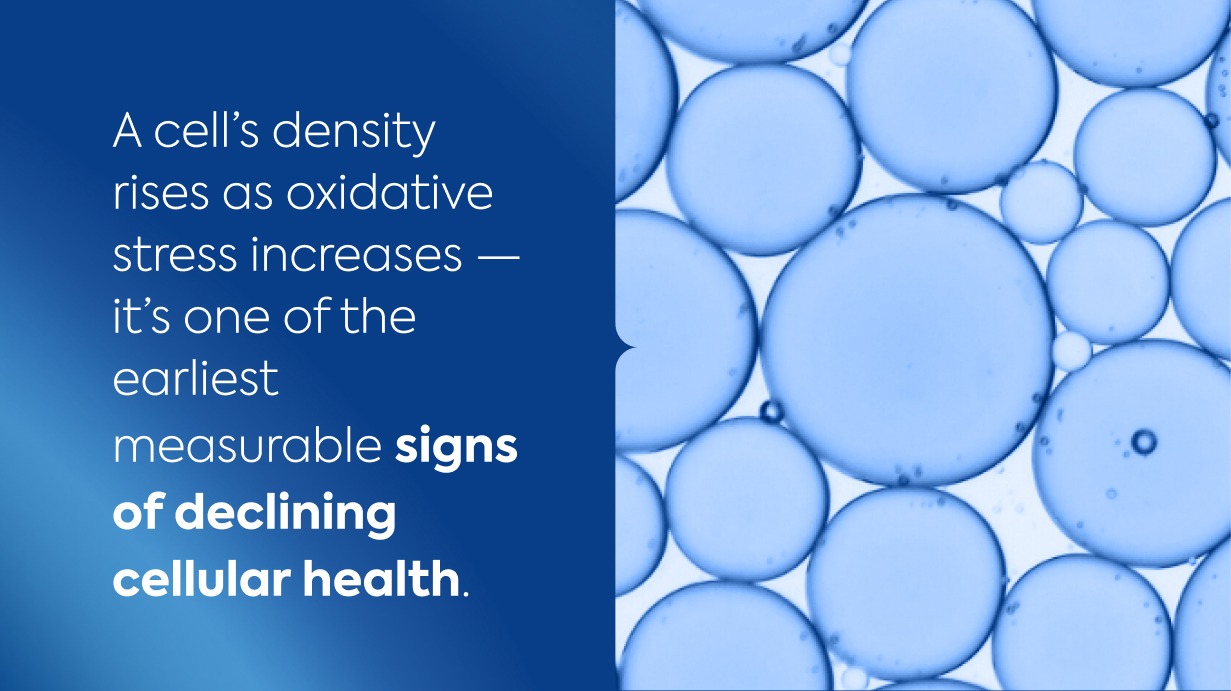
Inside every cell is a busy system of proteins, fats, energy-producing mitochondria, and signaling molecules that work together to keep the body running smoothly. With new single-cell imaging technologies, scientists can now observe changes that were invisible a decade ago. One of the most important discoveries: cells become denser when they are under stress [1].

This density shift is more than a structural change. It reflects how well your cells are functioning, how much oxidative stress they are experiencing, and how efficiently they can repair themselves. Understanding these changes helps explain why fatigue, inflammation, and slow recovery often appear long before more obvious symptoms. To help individuals track oxidative balance at home, tools like the Diagnox Oxidative Stress Test Strips provide insight into how the body is handling cellular stress.


What Cell Density Actually Represents


Cell density isn’t about size. It reflects how tightly packed the internal components are, including proteins, lipids, mitochondria, and water. Scientists have found several patterns that reveal early stress inside the cell:

1. Stressed Cells Become More Compact

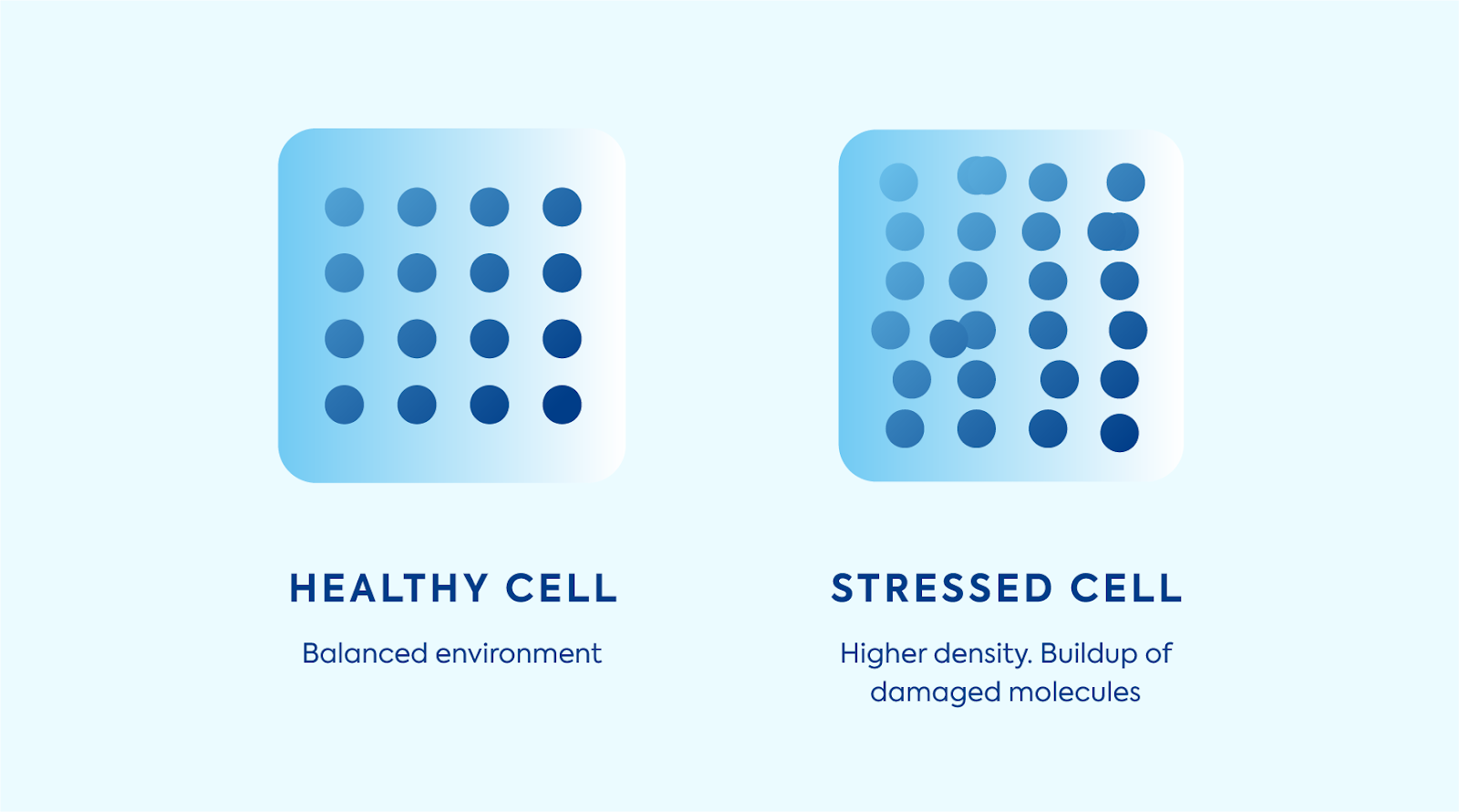
When oxidative damage accumulates, proteins and lipids misfold or clump together. This creates a more compact, “crowded” internal environment that shows up as increased density under imaging tools [1][2].

2. Cytoplasmic Fluidity Slows Down

Healthy cells have a fluid, dynamic cytoplasm. Under stress, this fluidity decreases, making it harder for molecules to move and interact normally [3].

3. Mitochondria Become Denser

Mitochondria often lose their flexible shape and become denser during oxidative stress. This is associated with decreased ATP production, which contributes to fatigue and slower recovery [4].

4. Damaged Molecules Build Up

Cells accumulate oxidized proteins, lipids, and DNA fragments when repair systems are overwhelmed. These materials increase density and signal that the cell is working harder to stay balanced [2][5].

5. Density Changes Predict Cellular Function

Studies show that density can predict how resilient or stressed a cell is long before symptoms appear [1].


What These Changes Mean for Your Wellness

You won’t feel your cell density changing, but you often feel the impact. Oxidative stress, which drives density changes, is linked with:

• low energy
• slower muscle recovery
• increased inflammation
• trouble focusing
• dull or tired-looking skin
• reduced physical performance
• sensitivity to stress
• slow healing

These are common signs that your cells may be under strain.


How Scientists Measure Oxidative Stress

Researchers use biomarkers such as malondialdehyde (MDA) to assess oxidative stress levels. MDA rises when cells experience oxidative damage [5]. This is the same principle used in the Diagnox Oxidative Stress Test, which helps measure oxidative balance through a simple urine test.

Clear information is the most valuable resource you can have on your side.
Stay in the loop!
Thank you for subscribing. Stay informed, stay healthy!
Oops! There was a problem with your submission. Please check your email address and try again.


What Drives Oxidative Stress and Density Changes?

Several everyday factors influence how much oxidative stress your cells experience:

• dehydration
• poor sleep
• high-intensity exercise without recovery
• pollution exposure
• processed or high-sugar foods
• smoking
• alcohol
• chronic stress
• heat exposure
• infections or inflammation [3][6]

Small, repeated stresses create cumulative impact. Density is one of the earliest cellular signs of this strain.

How to Support Healthy Cellular Balance

Simple, consistent habits support better oxidative balance and reduce stress inside cells:

• prioritize hydration
• sleep 7–9 hours
• eat antioxidant-rich foods (berries, greens, nuts)
reduce processed foods
• include recovery after exercise
• manage stress
check oxidative balance periodically


Why At-Home Testing Helps

Cell density isn’t measured at home, but oxidative stress is—through biomarkers that reflect the same cellular processes.

At-home oxidative stress testing lets you:
• understand how your body responds to lifestyle habits
• spot early imbalances
• track your wellness trends
• support better conversations with your healthcare provider

The Diagnox Oxidative Stress Test Strips offer a simple way to bring scientific insight into your daily wellness routine.


Disclaimer

This article is for educational purposes only and is not intended to diagnose or treat medical conditions. If you have persistent symptoms or concerns, consult a qualified healthcare provider.

References

[1] Grover, W.H. et al. (2011). Measuring single-cell density and mass during stress. Proceedings of the National Academy of Sciences.

[2] Stadtman, E.R. (2006). Protein oxidation and aging. Free Radical Research.

[3] NIH (2024). Oxidative stress overview. National Institute of Environmental Health Sciences.

[4] Harvard Medical School. (2023). Mitochondrial changes under oxidative stress.

[5] Ayala, A., et al. (2014). Oxidative stress and MDA as a biomarker. Oxidative Medicine and Cellular Longevity.

[6] Mayo Clinic. (2024). Lifestyle factors affecting oxidative balance.

About the Author
H. Ali, PhD

Hussnain Ali received his Ph.D. degree in EE in 2015 from the University of Texas at Dallas, USA. He is the co-founder and the Chief Executive Officer (CEO) at Diagnox Health, Plano, TX 75024, USA, and a visiting research scientist at the University of Texas at Dallas. His academic and industry experience spans over 15 years in organizations like the Center for Advanced Research in Engineering, The University of Texas at Dallas, and Harman/Samsung. He has served as a co-PI on an RO1 grant from the National Institutes of Health (NIH). His research interests include biomedical devices, auditory rehabilitation, and cochlear implants. He has authored and co-authored over 70 international publications and has been awarded multiple US patents. His latest work at Diagnox encompasses the development of innovative healthcare and wellness products/solutions that provide convenient and affordable at-home screening/diagnosis. He aims to bridge conventional clinical diagnostic products with Artificial Intelligence (AI) and contemporary data-centric technologies to modernize the healthcare and wellness industry.

About the Reviewer
This blog was
Technically reviewed by: 
Diagnox Staff

Diagnox Staff consists of a multidisciplinary team of scientists, content writers, and healthcare professionals with an expertise to create and review high-quality, informative, accurate, and easy-to-understand content for both professionals and everyday readers. Our staff follows strict guidelines to ensure the credibility and authenticity of the information, reviewing them independently and verifying them by various scientific and technical sources to ensure accuracy. Our review team believes in delivering knowledge free from bias to improve public health and well-being.

Have a Question?

Questions are great. Drop us a note and we promise to get back to you soon.

Thank you! Your question has been received.
We will respond to you promptly.
Oops! Something went wrong while submitting the form. Kindly try again.
If the problem persists, please drop us an email at contact@diagnoxhealth.com